Hormone imbalance & insulin resistance.
When blood sugar swings, cycles wander and energy crashes by afternoon, nutrition is one of the most powerful levers we have. Here’s what that actually looks like in practice.
Free 15 minutesno card requiredno PHI required.
- ★★★★★Rated on Google
- RDRegistered Dietitian
- MRTCertified practitioner
- Functional& lab testing
- CA · TX · NVVirtual care
- ★★★★★Rated on Google
- RDRegistered Dietitian
- MRTCertified practitioner
- Functional& lab testing
- CA · TX · NVVirtual care
Written & reviewed by Leila Page, RD — Registered DietitianLast updated June 2026
Hormone imbalance and insulin resistance often show up together — affecting cycles, energy, mood and weight. Nutrition can help support steady blood sugar, hormone balance and symptom relief, though results vary. Work with a registered dietitian and your physician for personalized care. Nutrition counseling is not a substitute for medical care.
Ready to work on this together? Personalized nutrition counseling for insulin and hormone-driven symptoms — coordinated with your physician. PCOS & Hormone Nutrition →
Where insulin resistance tends to hide.
Insulin resistance is often silent for years. These are patterns worth flagging with your physician.
- Energy crashes 1–3 hours after meals; reaching for sugar or caffeine to push through.
- Irregular cycles, noticeable PMS shifts or new perimenopausal changes.
- Strong sugar or carb cravings, especially in the evening.
- Trouble falling asleep — or waking around 3 a.m. and not falling back.
- Mood swings, anxiety, brain fog and difficulty concentrating.
- Stubborn changes in skin, hair or body composition.
Why nutrition is a primary lever here.
We work on meal composition: enough protein, fiber and healthy fats to keep blood sugar from spiking and crashing — and to support the hormones that depend on stable blood sugar.
We look at timing and patterns — not rigid windows, but enough rhythm that your body knows what to expect.
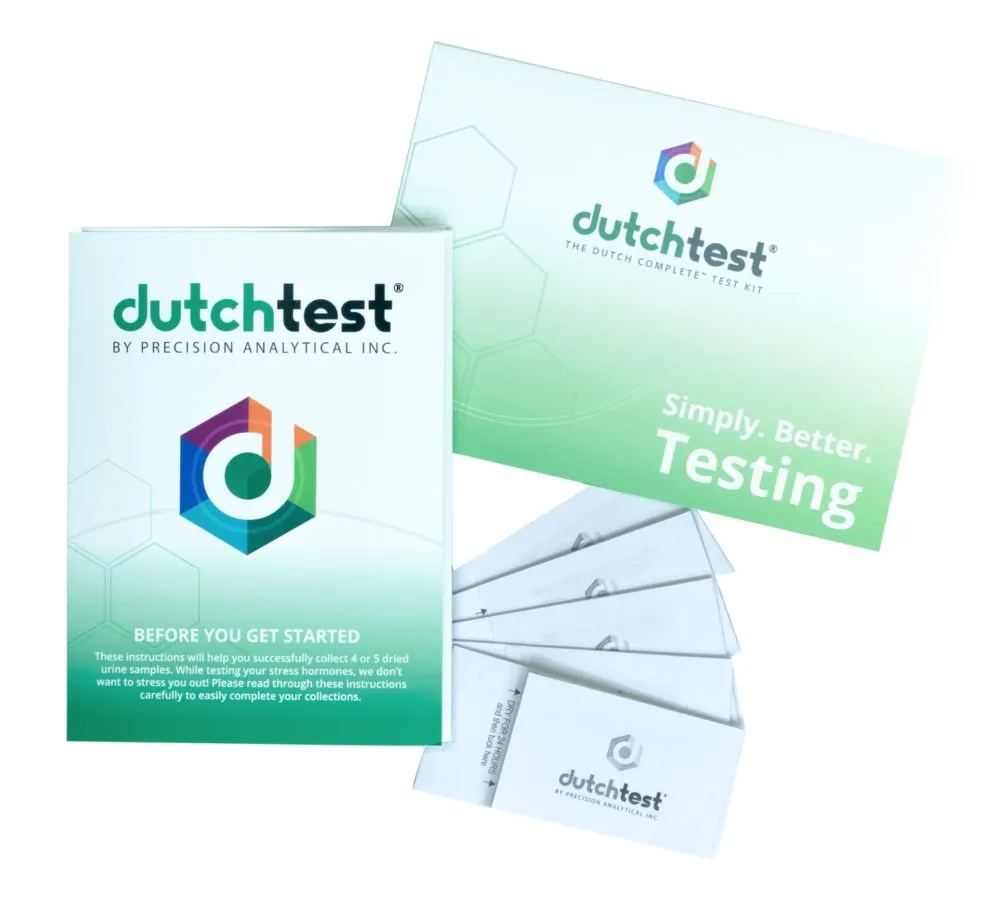
Where useful, we may consider functional hormone or insulin panels to personalize the plan — alongside your physician’s lab work, not in place of it.
We don’t use the scale as the measure of progress. We use how you feel, what your labs show, and how your cycle behaves.
Nutrition counseling is not a substitute for medical care. Individual results vary.
What’s known about insulin resistance.
A few well-established facts from authoritative sources — context for the work, not a substitute for personalized care.
An estimated 1 in 3 U.S. adults — about 98 million people — have prediabetes, a state of insulin resistance that is largely silent.
The NIDDK notes insulin resistance often develops gradually and is influenced by genetics, body composition, sleep, stress and dietary patterns — making nutrition a meaningful lever.
Structured lifestyle programs that include nutrition counseling reduce progression from prediabetes to type 2 diabetes by approximately 58% over three years.
When hormone or insulin concerns need a physician’s workup.
See your physician to evaluate hormone imbalance — including thyroid, adrenal and reproductive hormones — and to discuss medication options. Nutrition counseling supports your medical care; it’s not a substitute. Sudden symptom changes, severe fatigue or rapid weight changes warrant a medical workup.
Hormone Imbalance & Insulin Resistance — common questions
What is insulin resistance?
Insulin resistance is a state in which cells respond less effectively to insulin, the hormone that moves glucose out of the bloodstream and into cells. The pancreas compensates by making more insulin. Over time, this can drive prediabetes, weight changes, fatigue and cycle disruption — and is a core feature of PCOS.
What’s the difference between insulin resistance and prediabetes?
Insulin resistance is the underlying biology. Prediabetes is a specific stage defined by blood-sugar markers (A1C, fasting glucose) that are above normal but not yet in the diabetes range. You can have insulin resistance without prediabetes — but most prediabetes involves insulin resistance.
Can insulin resistance be reversed?
Insulin sensitivity can improve significantly with consistent nutrition, sleep and movement patterns — and structured programs like the CDC’s National Diabetes Prevention Program have shown meaningful reductions in progression to type 2 diabetes. ‘Reversal’ varies by person; ‘improvement’ is realistic for many.
Can nutrition really change my hormones?
Nutrition won’t replace medical treatment, but it can meaningfully influence the systems that regulate hormones — particularly insulin and blood sugar. For many people, those changes lead to better cycles, more stable energy and improved labs over time.
Working through hormone & insulin balance yourself?
Book a free 15-minute discovery call. No paperwork, no PHI required.
Related conditions & care.
PCOS & Hormone Nutrition
Work together →ConditionPCOS (also called PMOS)
Learn more →ConditionAnti-Inflammatory Eating
Learn more →ConditionSustainable Weight & Metabolic Health
Learn more →Last updated June 2026.
- Well+GoodFoods naturally high in melatonin
- Orange Coast MagazineClean Eats Advice from a Dietitian
- OC Family MagazineIntroduce your little one to solid foods
- Well+GoodFoods naturally high in melatonin
- Orange Coast MagazineClean Eats Advice from a Dietitian
- OC Family MagazineIntroduce your little one to solid foods
You don't have to manage this alone.
Book a free 15-minute discovery call — no pressure, no PHI required — and we'll talk through where nutrition fits for you.
Free 15 minutesno card requiredno PHI required.